#58: African Solutions to African Problems
Reaching the Forgotten
with
Mada Siebert & Linet Dube
Episode Summary
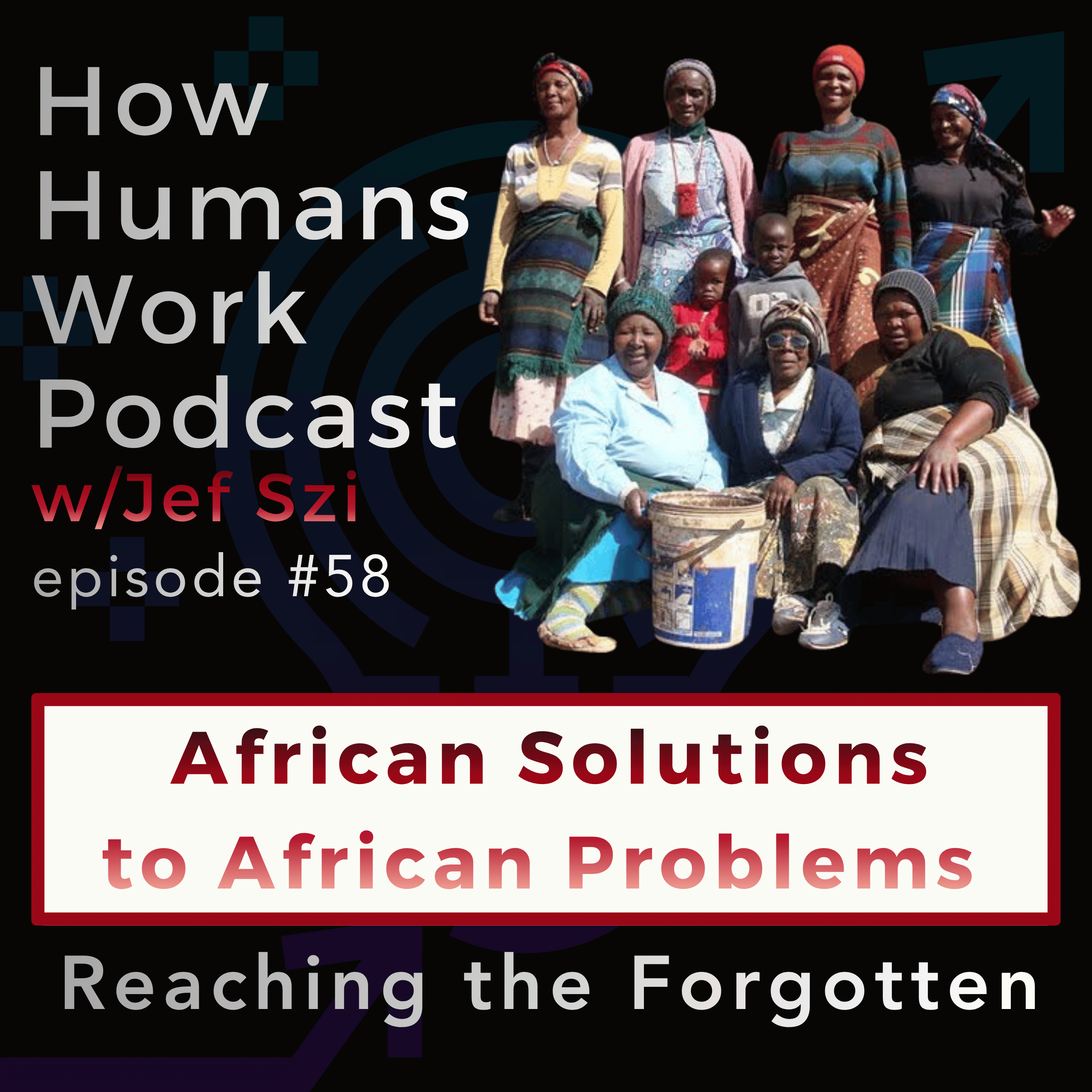
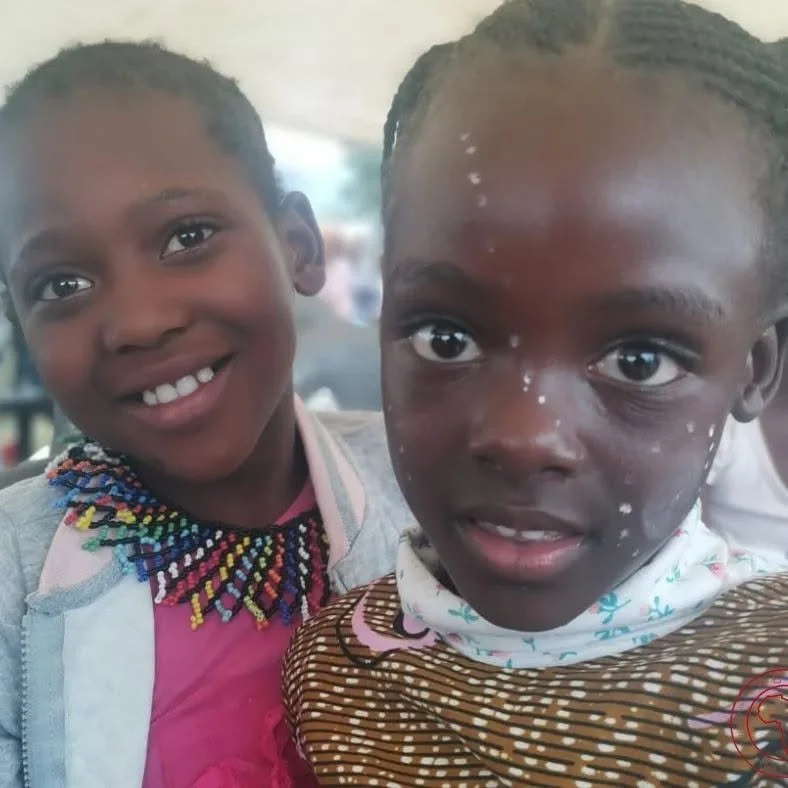
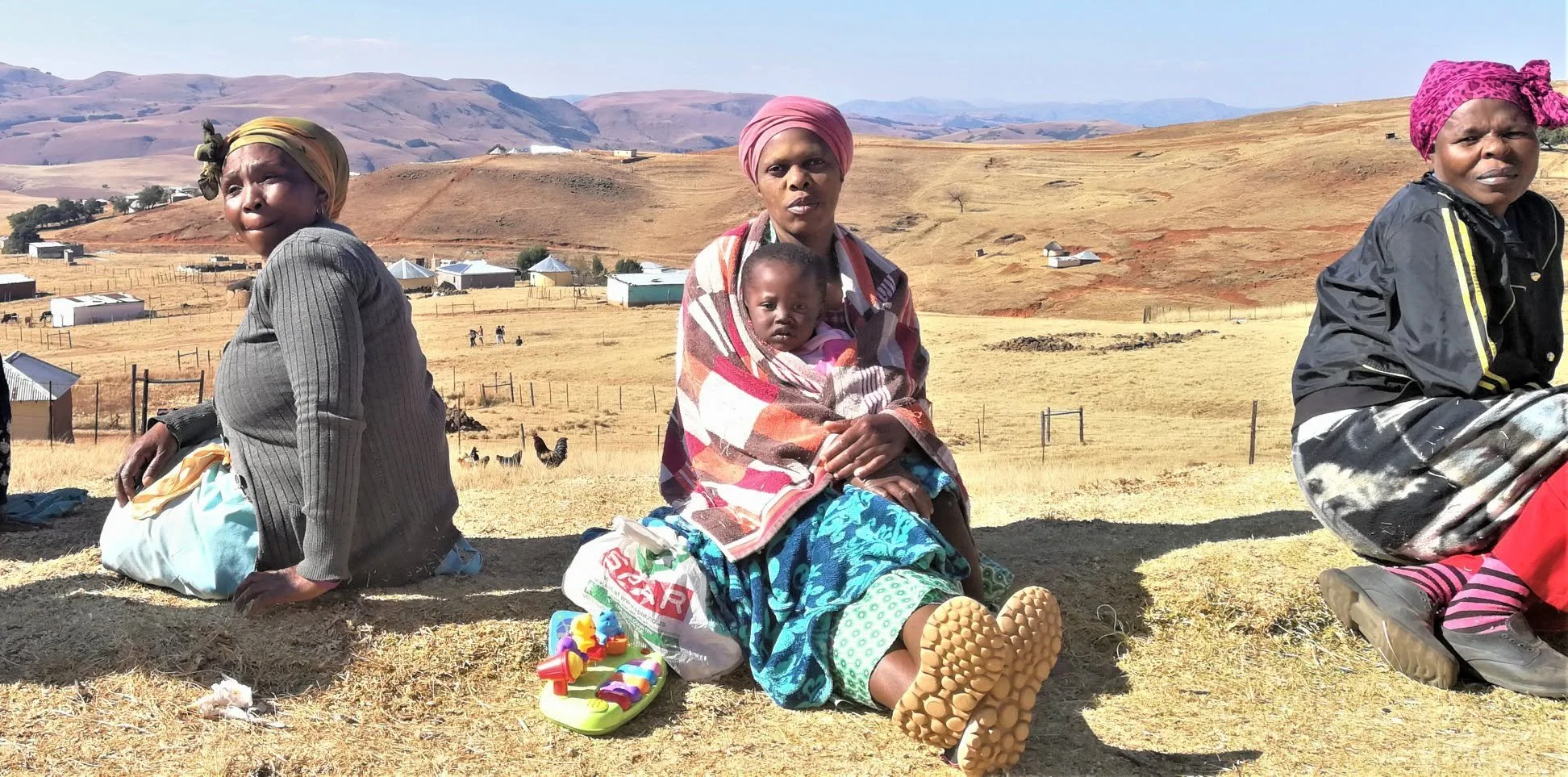
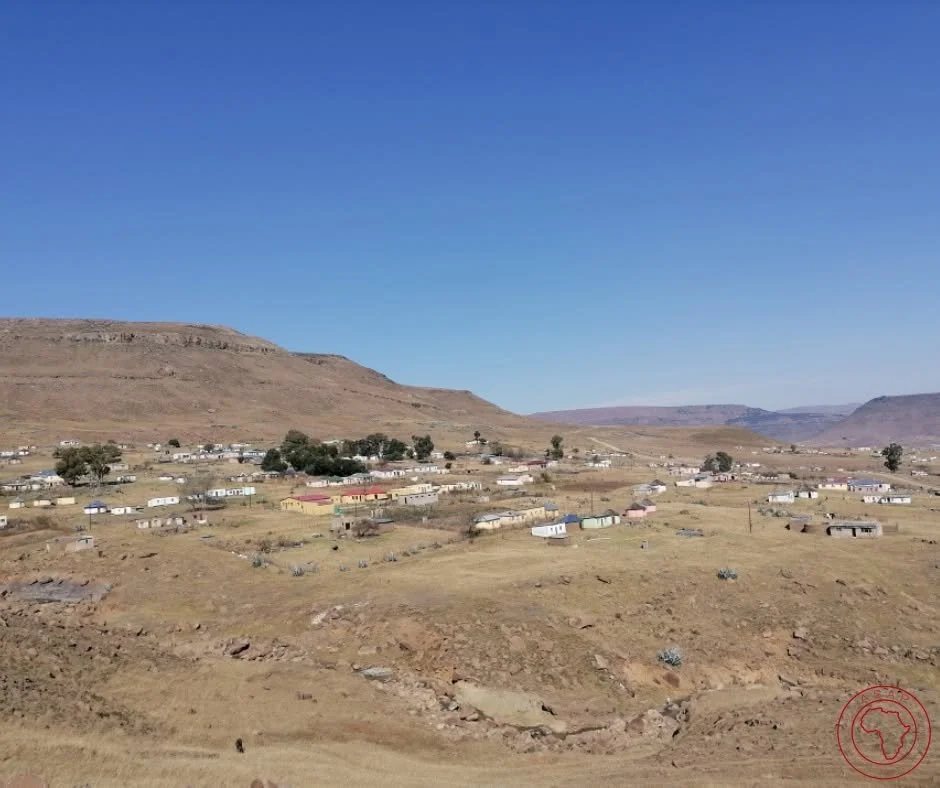
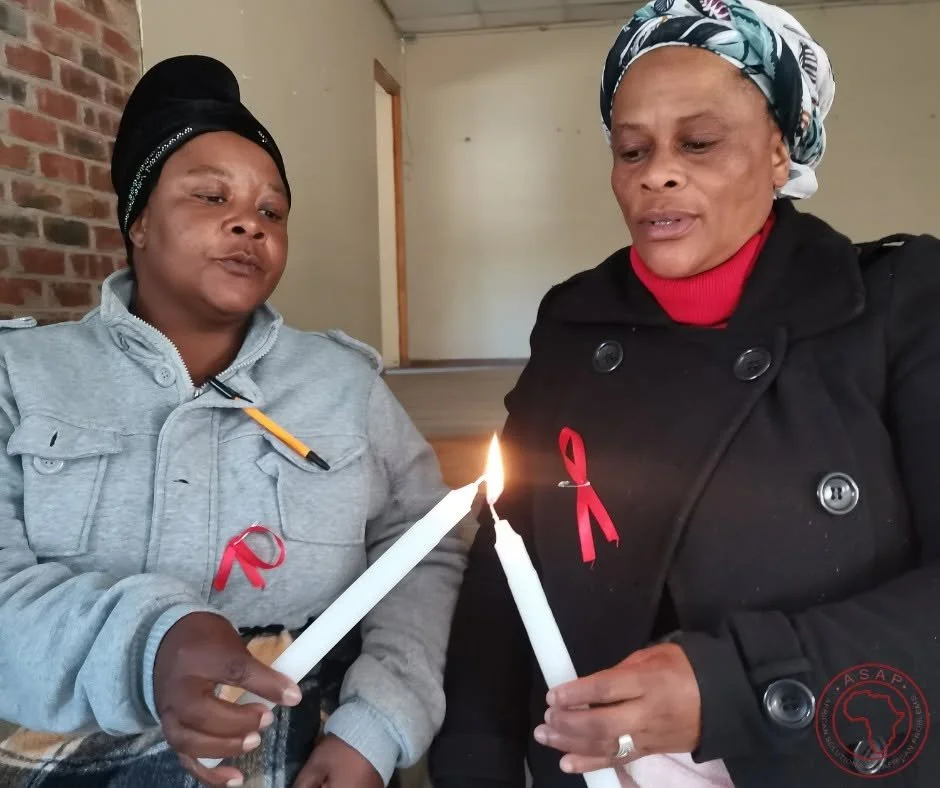
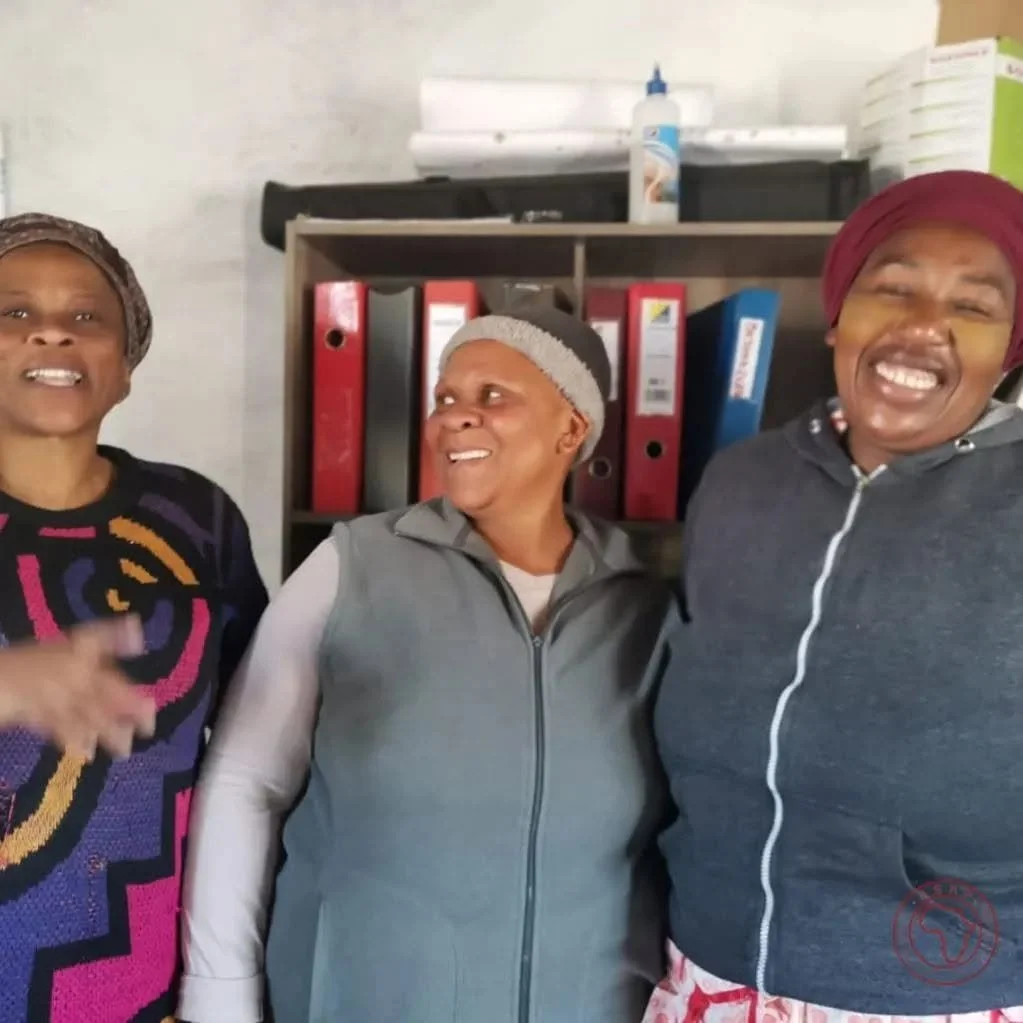
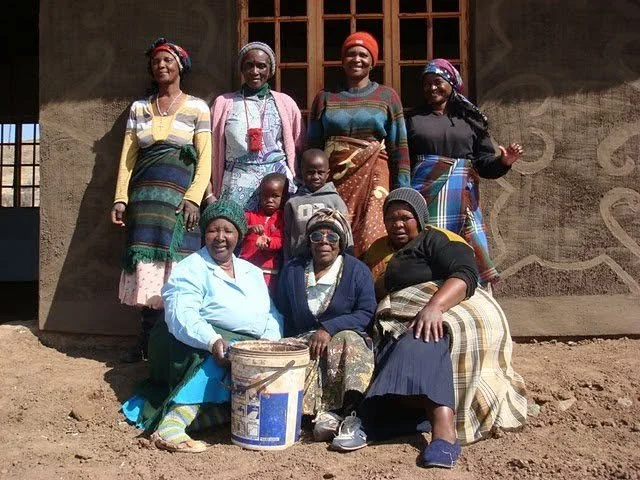
With exceptional kindness and clarity, Mada Siebert and Linet Dube from African Solutions to African Problems (ASAP) join Jef Szi to tell the ASAP story and their approach to supporting the rural communities in the Eastern Cape of South Africa. The eleven Xhosa and Sotho villages in the Matatiele region they work with are deeply challenged by cycles of poverty and trauma. These village are underserved, last-mile communities that have been profoundly impacted by the HIV/AIDS epidemic.
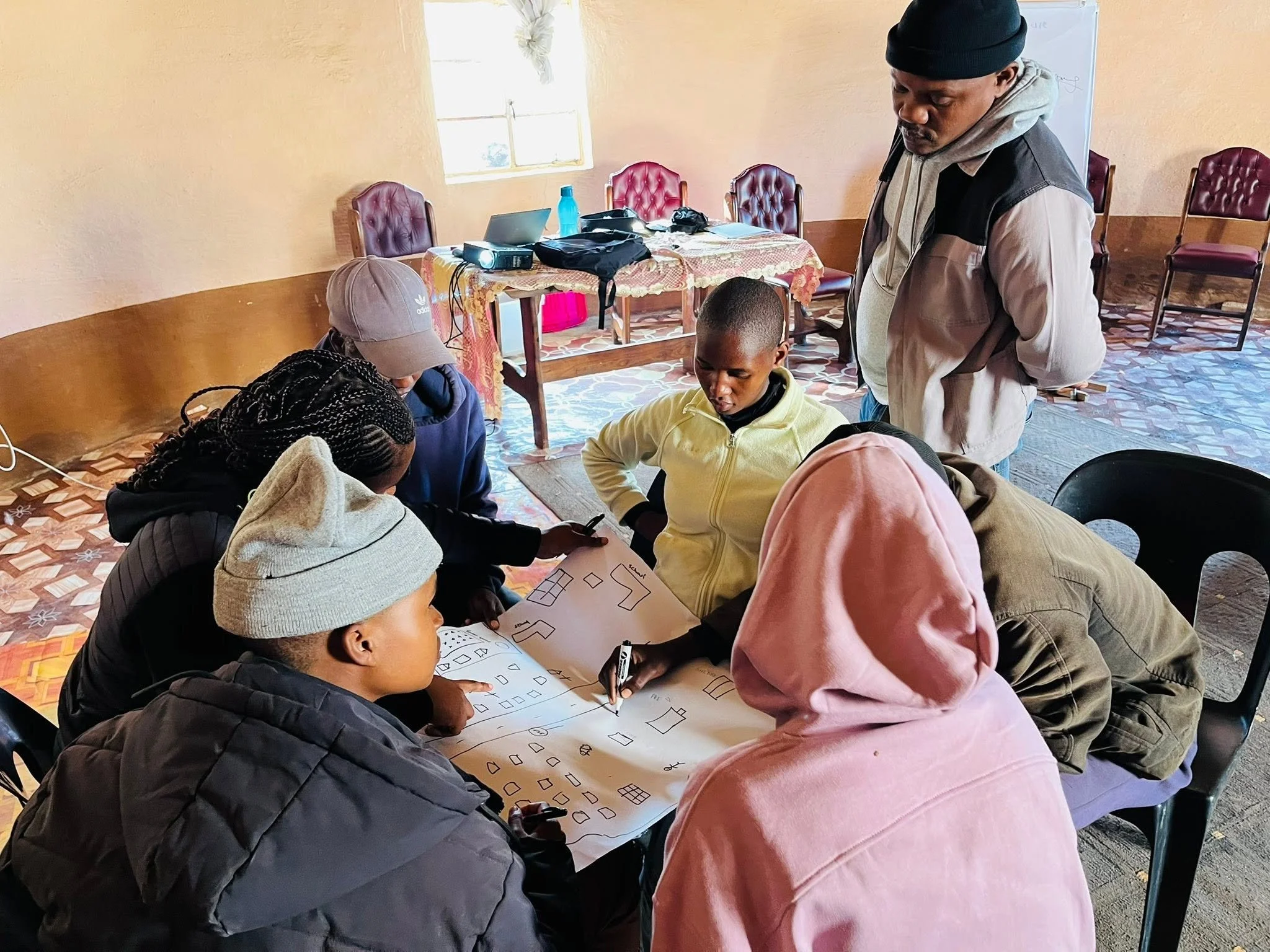
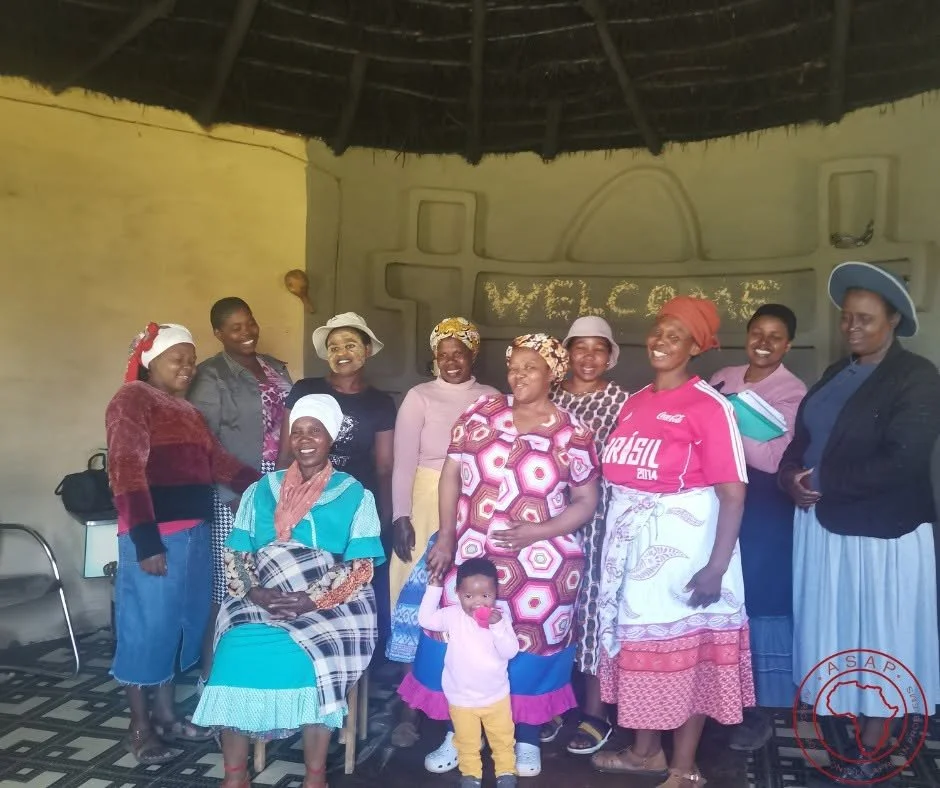
We come to learn about ASAP’s asset-based model of community support, which listens to the needs and waters the emergent responses within the villages, is foundational to everything ASAP does. We learn how ASAP partners with the gogos (grandmothers), tribal chiefs, the Imbizo social structure, and other proactive members to build up these forgotten communities. Mada and Linet show us that needs are holistic and that the best methods of sustainability require listening and becoming responsive allies to the needs—which almost always include food security, identification and documentation support, interrupting the cycles of gender-based violence, and resources for early childhood development.
We get to hear about ASAP’s founder, the late Priscilla “Scilla” Higham, who was Jef’s mother-in-law. We learn how, in 2003, after driving through the Eastern Cape countryside and finding villages devastated by HIV/AIDS with no help reaching them, Scilla used her incredible tenacity and strong-willed spirit to launch ASAP, leveraging her well-earned social capital to begin investing in these overlooked communities.
This episode is more than a discussion of poverty and trauma. It opens the window, revealing a refreshing ecosystem of quiet yet fierce resilience. Even within the heart-breaking struggles, replete with trauma and cultural limitations, there remains an illuminated spirit, rich with water taps, community gardens, workshops, and healing circles, and the songs of gogos calling the community toward a healthier future.
Reaching the Forgotten reminds us that Social Cohesion comes through resources, yes, but moreover it arrives not from dropping payloads of resources from a bird’s-eye distance, but from the steady, optimistic partnering that renews the fabric of human connection, community know-how, and a greater horizon of opportunities—one story, one person, one village at a time.

About Mada Siebert:
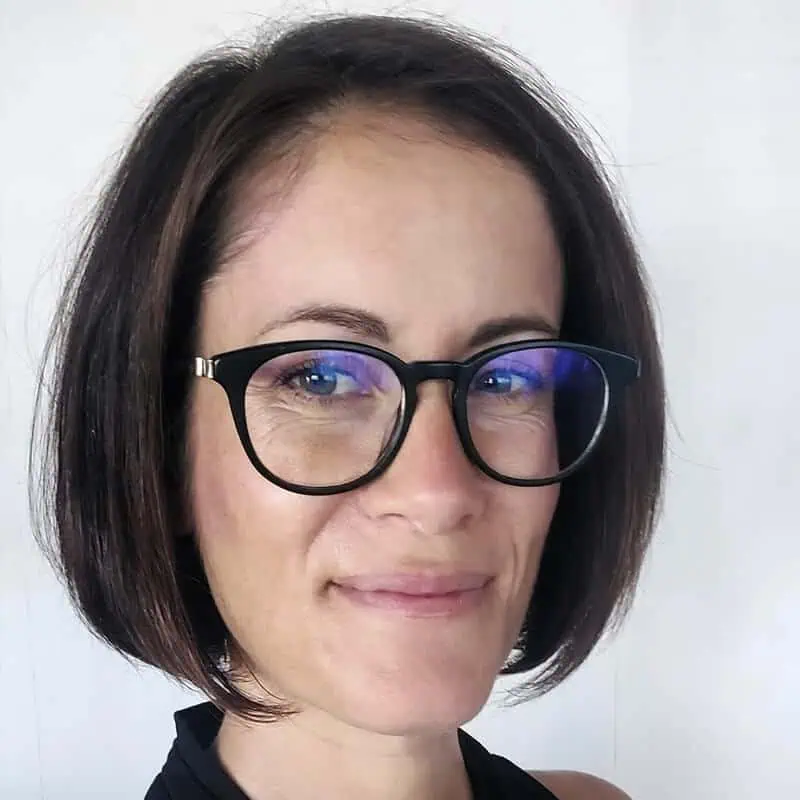
After four years with Mada at the helm as ASAP’s Chief Executive, ASAP was internationally recognized with the prestigious 2023 iF Social Impact Prize for its innovative, community-driven programs. Mada completed her MSc in Psychology during a two-year break from the organization before returning to ASAP to help guide its next phase of growth. Mada holds a first-class BA (Hons) in Digital Arts from London, where she worked at the renowned Chez Bruce and later served as Communications Manager for Michelin-star chef Tom Aikens. Her intrinsic drive for social change led her to study permaculture and agroecology, and, in 2009, she co-founded the Kusamala Institute of Agriculture and Ecology in Malawi – a training and demonstration center that continues to empower households and small farmers across the country. Upon returning to South Africa, Mada worked at Camphill Farm Community in the Hemel en Aarde Valley, where she developed agro-economic activities to strengthen organizational sustainability. She credits this time with deepening her expertise in enterprise development, fundraising, and non-profit management, which she later applied as a consultant before joining ASAP.
About Linet Dube:
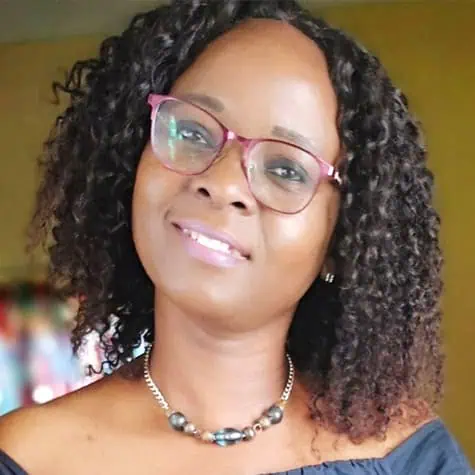
Linet is ASAP’s Program Director and longest serving ASAP team member, having joined the organization in 2008. With diplomas in Education and Project Management, certificates in HIV/AIDS Education, Care and Counselling, extensive training in ABCD Facilitation, management coaching, Effective Communication using Non-Violent Communication and a wealth of experience gained over her years in the sector, Linet is an impact-driven individual with a passion for community development. Linet was based in the Cape Town office for many years before relocating to Matatiele to work more closely with the women ASAP serves. She has witnessed first-hand the impact that commitment to community development can have over time and this remains her core motivation for the work ASAP does.
About Prisclla Higham (In Memoriam):
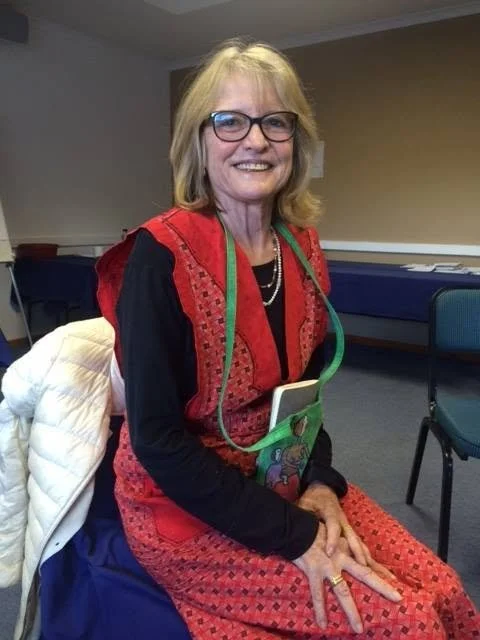
Priscilla was raised in Botswana where her father was a District Commissioner working with the remote tribes of the Kalahari and Whitehall. During this time, she witnessed the implementation of well-meaning colonial model interventions invariably fall apart after the source of aid left.
In the 1980s Priscilla engaged in a hunger strike in Kenya with Wangari Maathai and a group of women to protest their sons being imprisoned without trial. Priscilla returned to Kenya as a journalist in 2000, when researching an article on African women for Telegraph magazine. Wangari took Priscilla into the slums to meet a number of grassroots women who rejected imposed systems and instead formulated their own way of successfully supporting their communities by using African models of change.
Intrigued by this community resilience, Scilla continued to research communities in remote rural areas. This research revealed the extent of the network of women who are the front-line response to the AIDS pandemic and main support system for orphans and vulnerable children. Particularly impressive were the women who had mobilized to address the needs of the children, despite lack of resources. Scilla recognized that women-run grassroots groups were the vital entry point into these communities. She was influenced by, amongst others, E.F Schumacher’s belief in ‘smallness within bigness’ and that the investment in people must become the basis for sustainable development. The purpose of aid is to make women self-reliant and independent through relevant knowledge and the methods of self-help.
Priscilla founded ASAP with the intent of listening to the proactive women in rural communities and funding their self-realized solutions to meet the material, educational and psychosocial support needs of the increasing numbers of Orphans and Vulnerable Children as well as improve their own lives.
Priscilla dies in August of 2025, surround by her daughter, grandaughters, and live long friends. She embraced death the way she lived her life, with immense courage. Beyond the legacy of her family, her trailblazing commitment to her values, beliefs and vision by contributing her wisdom to founding ASAP leaves behind a remarkable contribution to rural and otherwise unsupported communities, increasing resilience and offering these communities and their children a chance to thrive.
Episode Topics:
The ASAP origin story — Priscilla Higham, founded ASAP in 2003 after driving through the Eastern Cape countryside and finding villages devastated by HIV/AIDS with no help reaching them.
Why the terrain and service provision priorities hamper rural villagers. The Matatiele region near the Lesotho border is 5-7 hours from an airport, dirt roads, poor connectivity, no running water in many villages reduce opportunity and social wellbeing.
The cultural and tribal context in these Sotho and Xhosa communities. The dynamics involved in supporting the social fabric is a core aspect of ASAP’s involvement.
Three core problem areas — child development, food security/sovereignty, and gender-based violence, all under an overarching poverty-alleviation mandate from Priscilla's founding vision.
The assets-based community development model — rejecting "give a man a fish" aid; finding proactive people already doing something in a community (often women) and resourcing them rather than delivering solutions from outside.
The Imbizo — the traditional tribal community meeting structure, and the gendered constraint where Linet and the ASAP team have to negotiate the patriarchal structure.
Documentation crisis — undocumented children (cross-border parentage with Lesotho, DNA testing requirements, Home Affairs bureaucracy) blocking access to school, social grants, and matric certificates is a major hurdle to clear in unlocking the cycles of poverty and trauma.
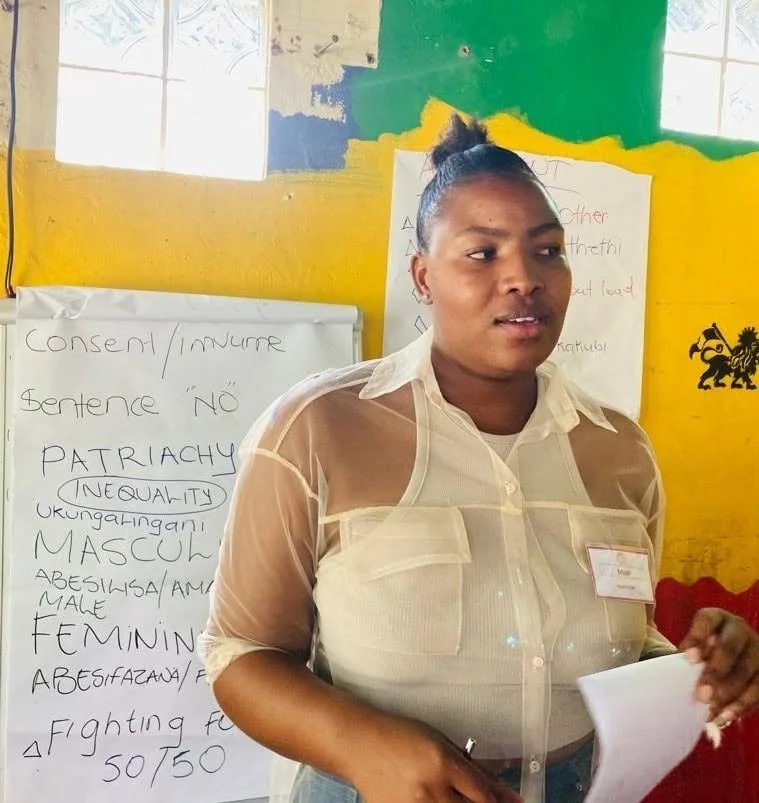
Gender-based violence work — how important this work is to changing the trauma cycles and why legal cases, changing tribal bylaws (removing the requirement that rape be reported to the chief before police), and GBV workshops are instrumental in moving across the GBV problems.
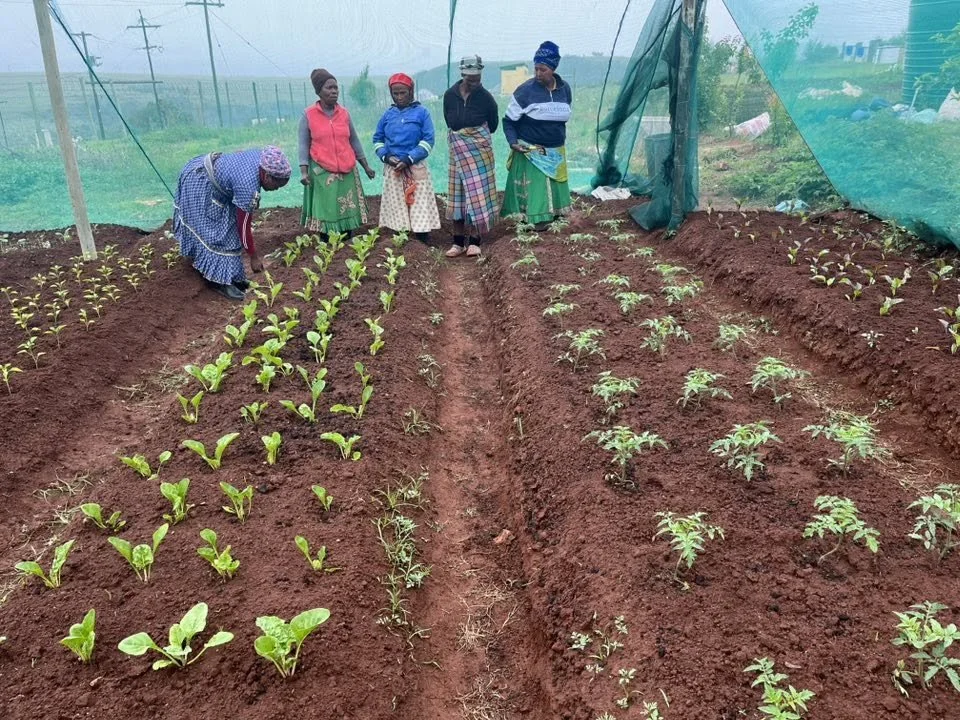
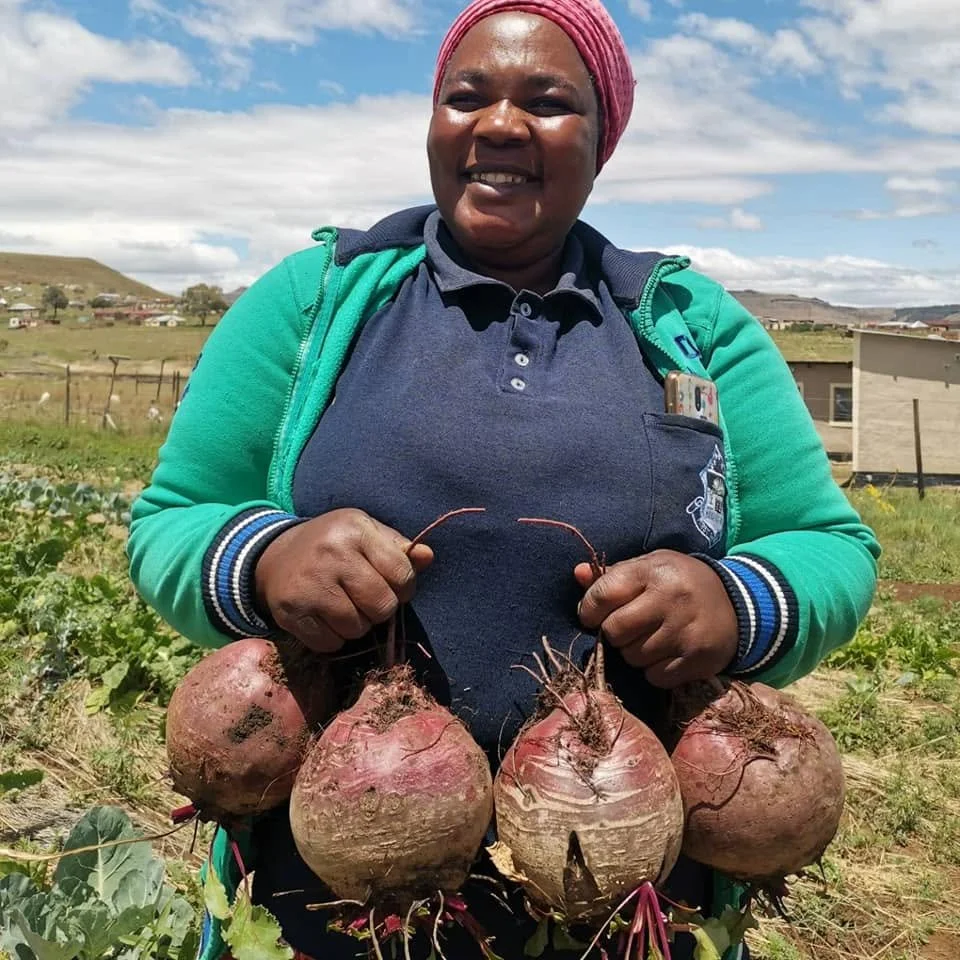
Water and food security — borehole/solar water projects bringing running water to two villages for the first time; household and community gardens; crops grown (cabbage, spinach, beetroot, green peppers, brinjal, carrots, kale, potatoes, pumpkins, butternuts, beans, maize, turnips); excess produce donated back into the community; grandmothers ("gogos") mentoring youth gardeners.
Technology/scale — pursuing low-earth-orbit satellite connectivity and a suite of smartphone tools (bookkeeping, attendance, compliance apps) to help ASAP scale from 4-5 villages to 11 and beyond.
The donor/community model — Why the donor community model is critical to long term success. We learn how Scilla's personal network was leveraged to sustain "community of supporters," and reflections on long-term partnership vs. reactive/crisis-driven philanthropy.